Sarang Patil
PhD Student, Department of Data Science, New Jersey Institute of Technology

I am a third-year PhD student in the Department of Data Science at the New Jersey Institute of Technology (NJIT), advised by Dr. Mengjia Xu and a member of the Xu Lab. My research explores how hyperbolic geometry, state-space models, and graph neural networks can be used to build efficient large language models and dynamic graph embeddings.
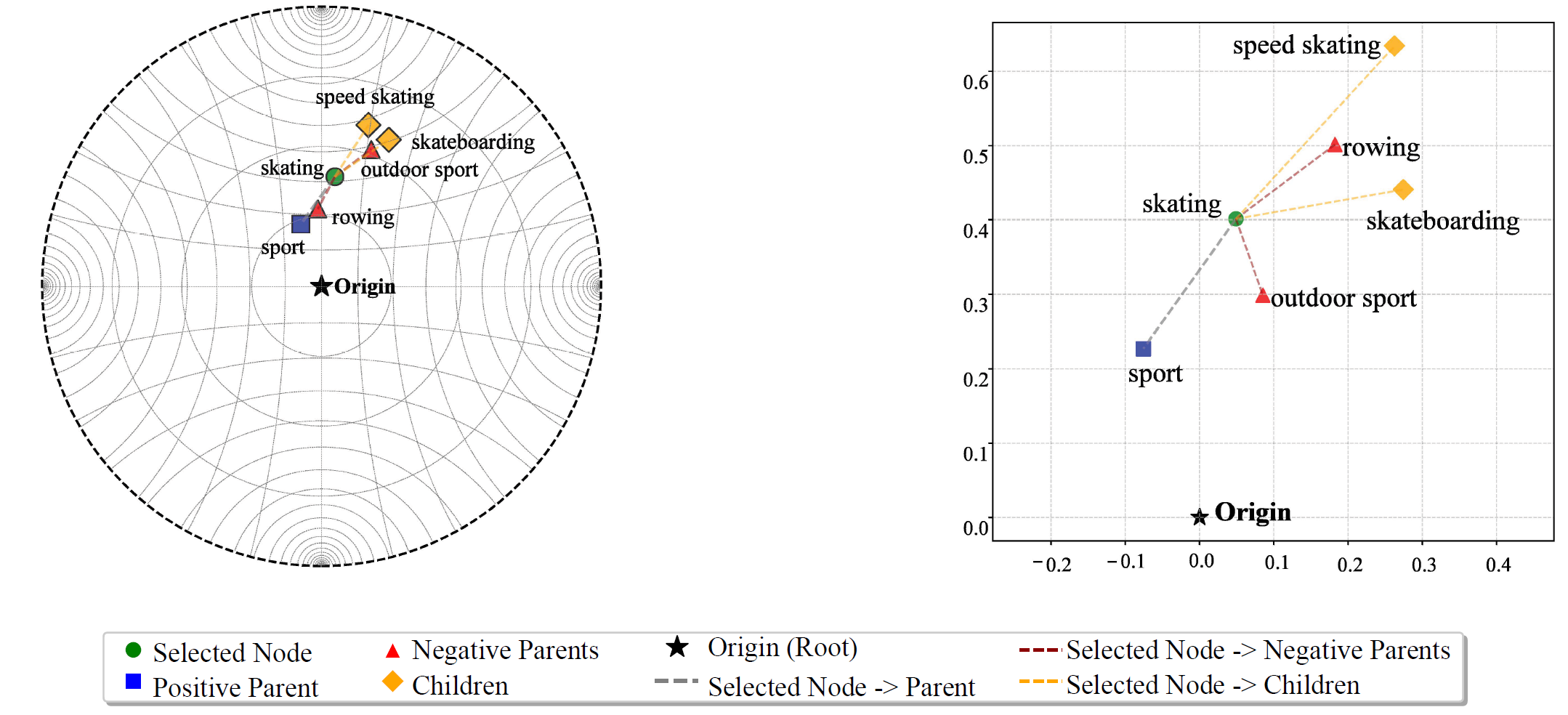
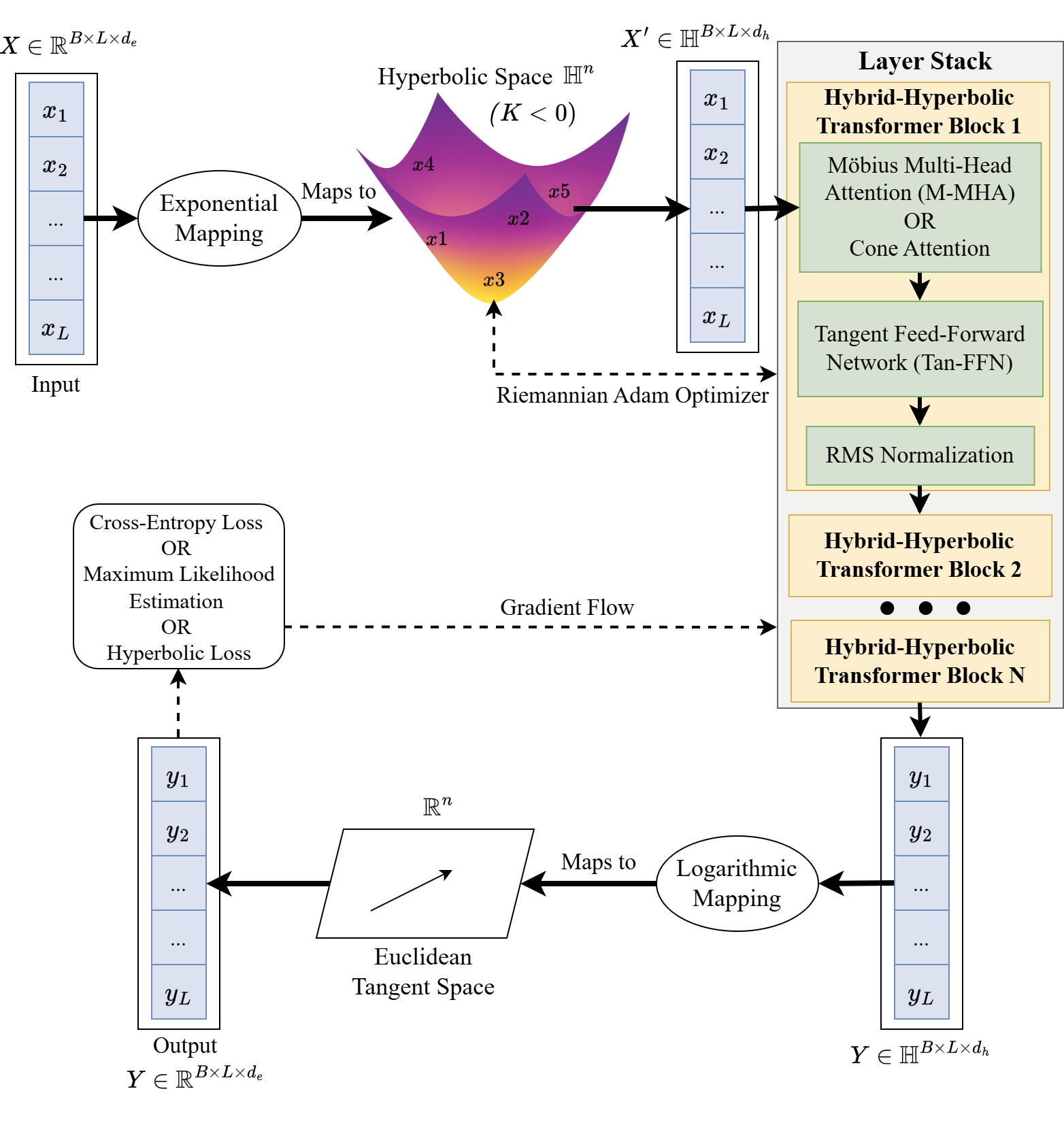
My most recent work is HyperForecast, a long-term time-series forecasting framework that operates in hyperbolic space. Earlier work includes the Hierarchical Mamba (HiM) framework (published in TMLR, 2026), which combines efficient Mamba2 state-space models with hyperbolic spaces to capture hierarchical relationships in language data, and a comparative study of dynamic graph embedding approaches using transformers and the Mamba architecture. In addition to these projects, I continue to develop hyperbolic models for other domains, exploring how curvature-aware embeddings can benefit a wide range of applications. I was also involved in surveying, and organizing the rapidly growing body of work on hyperbolic large language models, which forms the basis of my accepted survey paper in SIAM Review.
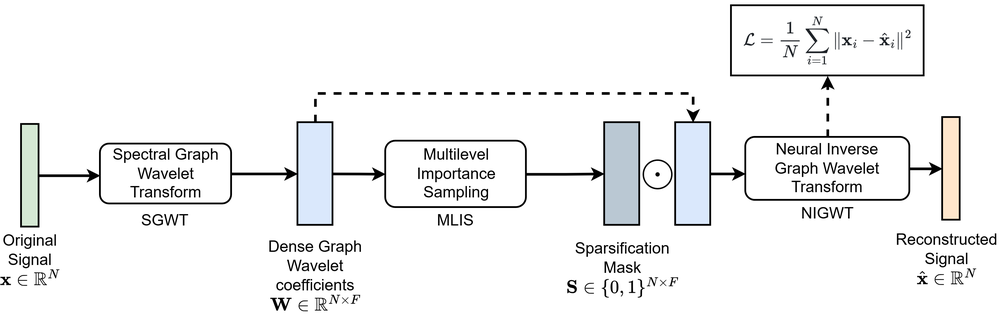
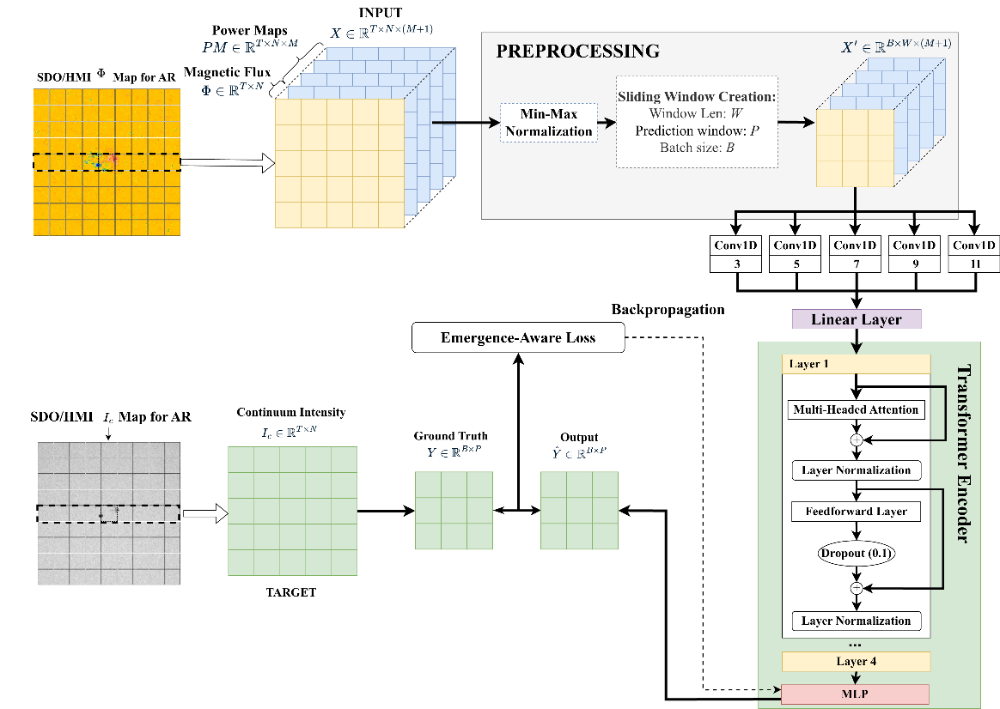
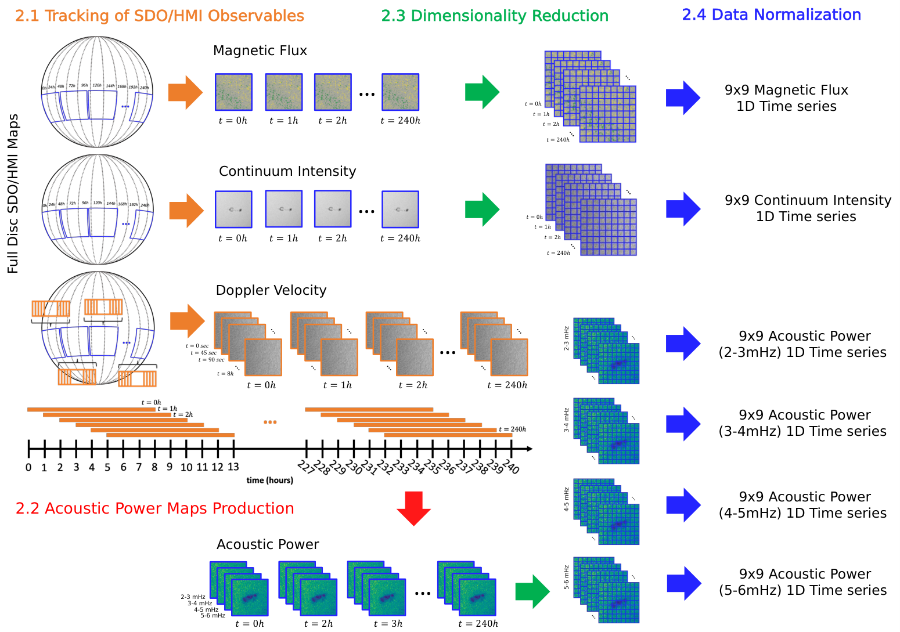
Beyond hyperbolic learning, I work on scientific machine learning: multiscale graph-wavelet compressed sensing for physical simulation data, and machine-learning forecasting of solar active-region emergence with collaborators.
Outside of research, I enjoy playing chess ♟️, hiking 🥾, exploring new cuisines 🍜🌍, and playing video games 🎮.
Education
New Jersey Institute of Technology
University of Maryland Baltimore County
Savitribai Phule Pune University, India
Interests
- Hyperbolic geometry and non-Euclidean representation learning
- State-space models (SSMs) and efficient sequence modeling
- Large language models and hierarchy-aware embeddings
- Graph neural networks and dynamic graph embedding
- Curvature-aware optimization and geometric deep learning
- Time-series forecasting and scientific machine learning
Experience
Research Assistant, New Jersey Institute of Technology, NJ
Research Assistant, University of Maryland Baltimore County, MD
Data Science Intern, CoReCo Technologies, Pune, India
Project Intern, Aalborg University, Copenhagen, Denmark
Publications
Hyperbolic Representation Learning & LLMs
Hierarchy-aware embeddings, state-space models and large language models in hyperbolic space.
Scientific Machine Learning
Learning-based compression and recovery of graph-structured scientific simulation data.
Machine Learning for Solar Physics
Datasets and deep-learning models for forecasting solar active-region emergence from NASA SDO/HMI observations.
Talks & Presentations
Upcoming
-
October 23–25, 2026Upcoming
Oral presentation: Hyperbolic Time Series Forecasting with Learnable Decomposition and Manifold Dynamics
SIAM NNP 2026, Rutgers University, New Brunswick, NJ -
November 19–20, 2026Upcoming
Oral presentation: Multilevel Graph Wavelet Compressed Sensing with Scale-Aware Neural Recovery
SIAM International Conference on Data Mining (SDM26), Salt Palace Convention Center, Salt Lake City, UT
Past
-
May 9, 2026
Poster: Hierarchical Mamba Meets Hyperbolic Geometry (HiM)
Agentic Scientific Computing and Scientific Machine Learning, ICERM, Brown University, Providence, RI -
March 26, 2026
Digital poster: Hierarchical Mamba Meets Hyperbolic Geometry (HiM)
NJIT AI Exploration Day Student Showcase — “Shaping the Future: AI, Technology, and Society”, Newark, NJ
Academic Service
Reviewer:
- Journal: IEEE Transactions on Pattern Analysis and Machine Intelligence (TPAMI), 2026
- Journal: IEEE Transactions on Knowledge and Data Engineering (TKDE), 2025
- Journal: Advances in Space Research (ASR), 2025
- Conference: International Conference on Learning Representations (ICLR), 2027
- Conference: IEEE International Conference on Systems, Man, and Cybernetics (SMC), 2026
- Conference: Association for Computational Linguistics (ACL Rolling Review), 2025
News
- November 19–20, 2026 (upcoming): Will be presenting our Graph Wavelet Compressed Sensing (GWCS) paper at SIAM SDM 2026 in Salt Lake City, Utah
- October 26, 2026 (upcoming): PhD proposal defense
- October 23–25, 2026 (upcoming): Invited talk at the SIAM NY–NJ–PA Section Annual Meeting 2026 (Rutgers University), in the minisymposium “Geometry for Modern AI”
- August 14, 2026: Solar active-region emergence forecasting paper published in JGR: Machine Learning and Computation and featured in NJIT News
- July 11, 2026: Graph Wavelet Compressed Sensing (GWCS) paper accepted at SIAM SDM 2026 (co-first author)
- May 9, 2026: Presented a HiM poster at Agentic Scientific Computing and Scientific Machine Learning (ICERM, Brown University)
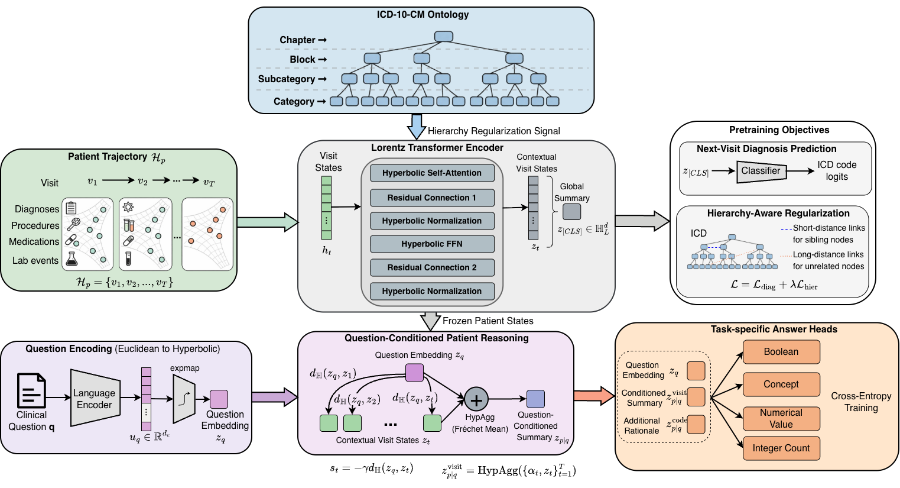
- April 7, 2026: HypEHR paper accepted to Findings of ACL 2026
- March 26, 2026: Presented the HiM paper at NJIT AI Exploration Day (Student Showcase)
- March 21, 2026: Hierarchical Mamba (HiM) paper accepted in Transactions on Machine Learning Research (TMLR)
- November 24, 2025: Hyperbolic Large Language Models paper accepted in SIAM Review
- October 27, 2025: Presented Hyperbolic Mamba paper at YWCC PhD Student Research Sharing Forum
- October 20, 2025: Passed my PhD qualifying exam
Contact
Email: sp3463@njit.edu
Address: New Jersey Institute of Technology, Newark, NJ 07102